Ardem Roles & Playstyles
Ardem Solo and Co-op Camp Roles Guide: Builder, Scout, Mechanic, and Quartermaster
A camp-operations guide for dividing Ardem responsibilities across solo routines or co-op roles without wasting scarce early resources.
Last reviewed 2026-07-05 · Evidence: editorial
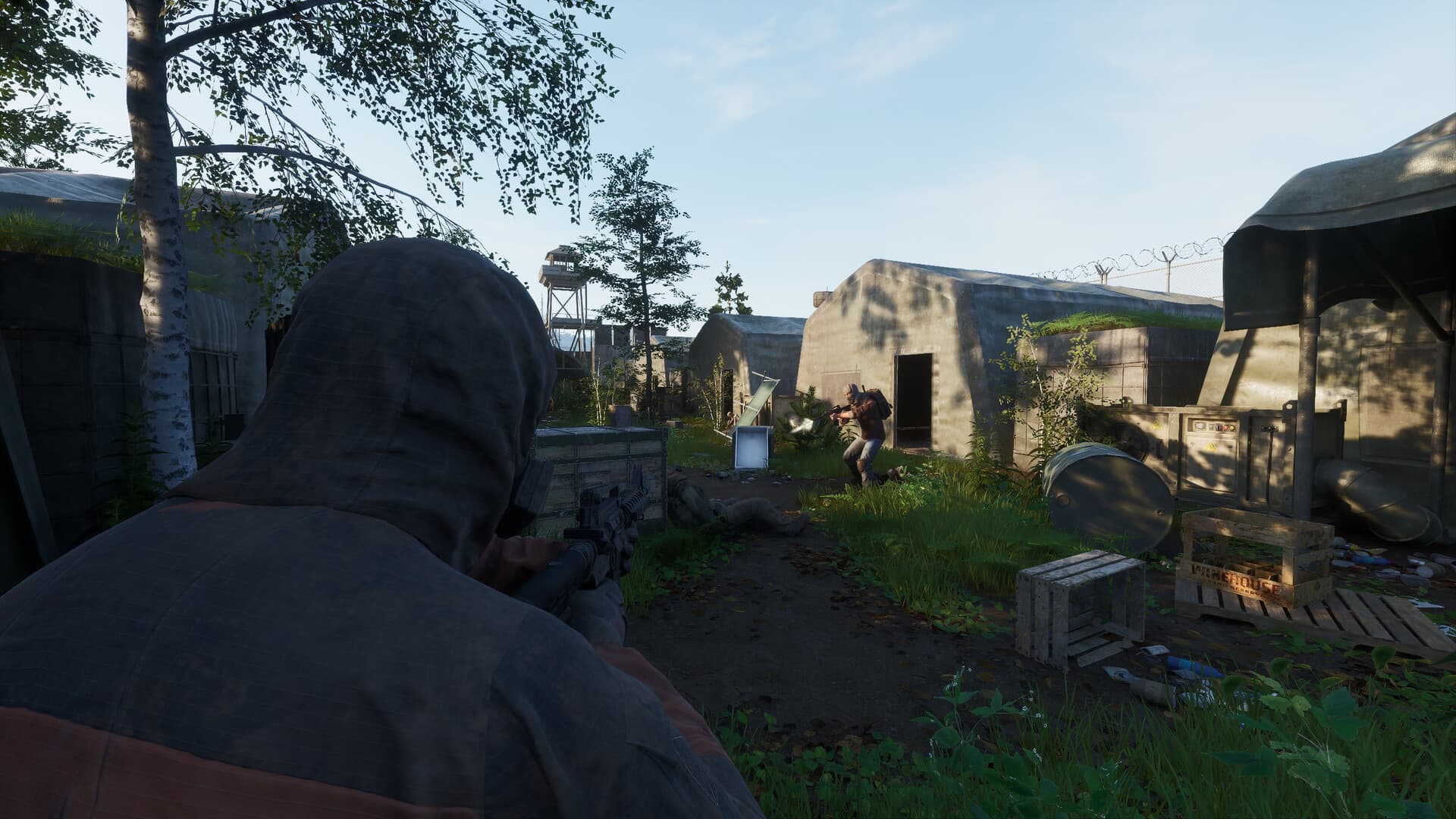
| Topic | Ardem Solo and Co-op Camp Roles Guide: Builder, Scout, Mechanic, and Quartermaster |
| Game | Ardem |
| Category | Roles & Playstyles |
| Editorial score | 94 |
| Primary source | Official Ardem site |
| Last reviewed | 2026-07-05 |
| Evidence | editorial |
Survival route card
Build the next safe step
Use this page to decide what protects the next run: shelter, water, power, transport, or co-op roles. The current route is grounded in Official Ardem site; exact recipes, repair costs, and map values remain deliberately unfilled until a public build confirms them.
Roles & Playstyles strategy table
| Page type | Role Guide |
| Primary search intent | Ardem co-op roles and solo routine |
| Best source to verify | Official Ardem site |
| Editorial confidence | Scenario-based guidance using public information, embedded media, and cautious pre-launch interpretation. |
| Update trigger | Update after official patch notes, demo access, hands-on previews, storefront changes, or new gameplay footage. |
Scenario-based recommendations
This section is written as practical editorial guidance: choose by scene, role, route, enemy pressure, or player goal rather than chasing a universal best answer.
Scenario matrix
| Group size | Best role split | Reason |
| Solo | Daily rotation | One player must cycle builder, scout, cook, and mechanic jobs. |
| Duo | Builder plus scout | One stabilizes base while the other maps supply lines. |
| Trio | Quartermaster added | Storage, food, and repair tasks become a dedicated job. |
| Four-player co-op | Mechanic/logistics added | Vehicles and power projects need ownership. |
What to pick and when to avoid it
Builder
Best for: Shelter upgrades and defensive organization.
Avoid when: No one is gathering materials.
Builders convert resources into stability but can starve the base if isolated from supply routes.
Scout
Best for: Finding roads, water, and parts.
Avoid when: The team lacks medical backup.
Scouts expand options but should not carry the entire base inventory.
Quartermaster
Best for: Co-op groups with messy storage.
Avoid when: Solo play has limited storage pressure.
A quartermaster prevents duplicate crafting and lost critical tools.
Comparison table
| Role | Primary value | Common mistake | Best timing |
| Builder | Base safety | Overbuilding | Day 1 onward |
| Scout | Map knowledge | Overextending | After basic shelter |
| Mechanic | Mobility | Vehicle tunnel vision | Mid-game |
| Quartermaster | Efficiency | Hoarding | Co-op start |
Ardem co-op gets stronger when players stop asking who found the best loot and start asking who protected the camp's next week.
Solo players still need roles
Solo Ardem play benefits from time-boxed roles. Spend one day as a scout, one as a builder, one as a cook or organizer. That prevents endless half-finished projects.
Co-op needs fewer heroes
The best co-op group is not four players sprinting toward different loot. It is a small camp operation where everyone knows which problem they own.
Action checklist
Name roles before leaving base.
Keep critical tools assigned, not randomly stored.
Rotate solo tasks by day.
Add a quartermaster once storage becomes confusing.
Review which role caused the last failure.
Source and credit
This page summarizes public information and editorial interpretation. Primary source: Official Ardem site.
Next read path
Use this path to keep reading by intent instead of jumping through random links. It connects this page to the closest source, strategy, database, or verification hub.
| Ardem tools and equipment | /weapons | Connect roles or factions to tools and loadout ideas. |
| Ardem maps and world | /maps | Understand where this role or faction may matter. |
| Ardem lore and story | /lore | Read spoiler-light background context. |
FAQ
What is the best Ardem co-op role?
Scout is exciting, but quartermaster often creates the biggest long-term efficiency gain in messy groups.
Can solo players use this guide?
Yes. Solo players can rotate roles by day instead of assigning them to different people.
When does a mechanic role matter?
Once vehicles, power, or repair projects become recurring goals rather than one-time discoveries.